Capture the judgment of experienced operators before it leaves, then use that expertise to instruct people in simulation and support them in live operations.
Retiring experts are taking hard-earned judgment with them.
Experienced operators are retiring faster than replacements can reach competency. Much of what they know was built through years of unusual events, troubleshooting, and judgment that never made it into the SOP. Kairos helps capture that expertise, ground it in approved procedures, and put it to work across training and operations.
BUILDING OPERATOR JUDGMENT
Competency is built across thousands of small decisions.
Kairos observes simulator and process signals, applies site procedures and expert judgment, and helps operators understand why one sequence of decisions leads to a safer outcome than another.
Industry Signal
Competency takes years. Mistakes cost immediately.
When experienced operators are difficult to replace and abnormal events carry a high cost, shortening the path to competent decision-making has measurable value.
3-5 yrs
typical path to console or drilling operator competency
20-30%
share of rig time consumed by non-productive time
IMPLEMENTATION CASES
How teams use Kairos in oil and gas.
These are concrete ways organizations can deploy the system. Each case shows where Kairos fits, what it sees, what it does, and what changes as a result.
01 / OPERATOR ONBOARDING
Build operator judgment faster.
Kairos captures how experienced operators reason through a task and applies that expertise during simulation and practice.
What Kairos Sees
SOPs, process data, simulator events, learner history
What KAIROS does
Coach decisions and explain why they matter
What CHANGES
Faster ramp-up for new operators
02 / ABNORMAL EVENT DRILLS
Practice the situations operators cannot learn by waiting.
Teams can rehearse alarms, upsets, and unusual operating conditions with instruction grounded in approved procedures and site-specific expertise.
Keep expert judgment available after training ends.
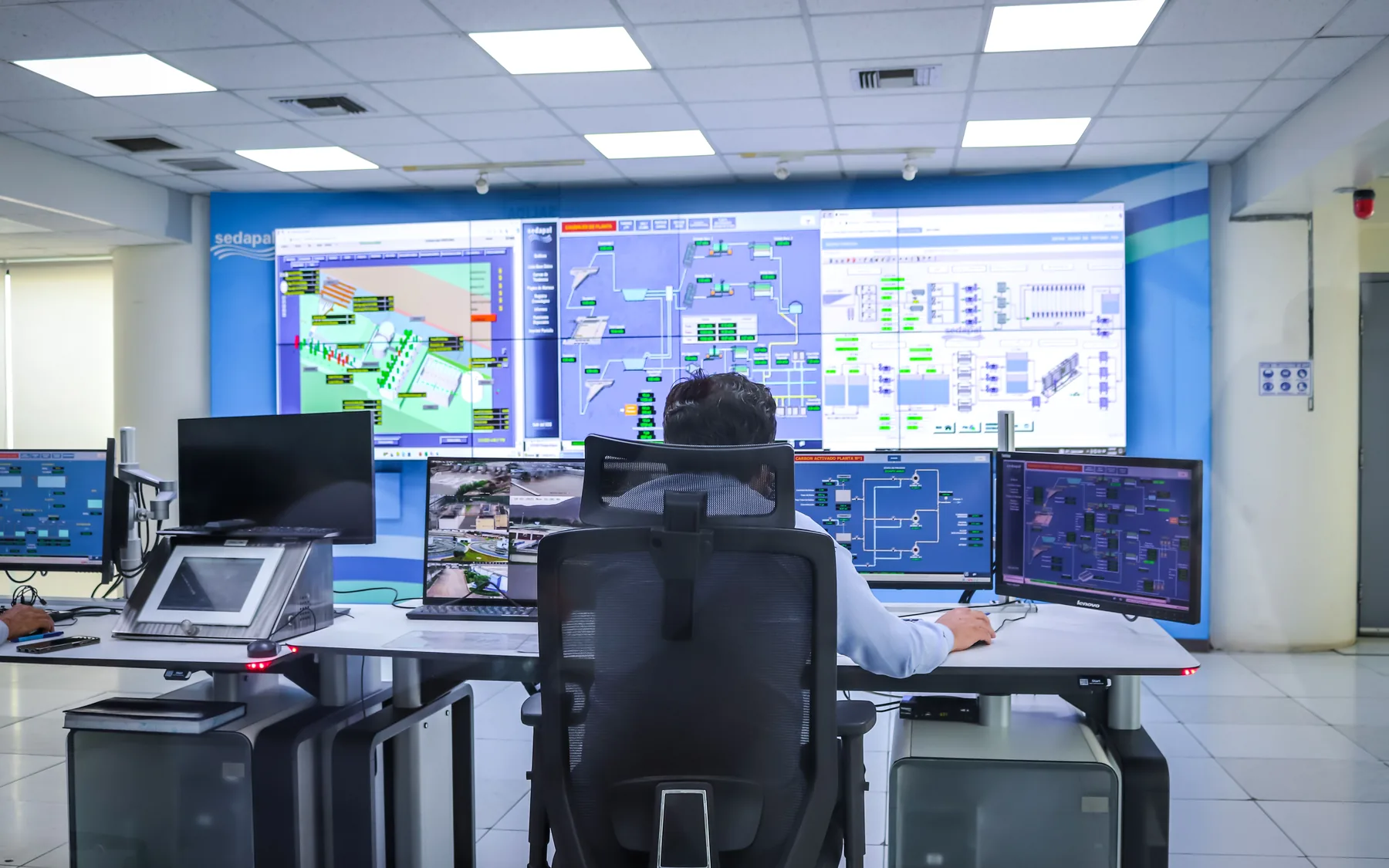
Kairos can carry the same expertise into live operations, monitoring conditions and surfacing the relevant procedure or escalation path when needed.
What Kairos Sees
Live process state and operating context
What KAIROS does
Surface guidance, references, and escalation advice
What CHANGES
Less reliance on ad hoc escalation for routine judgment
Instruct it. Evaluate it. Debrief it.
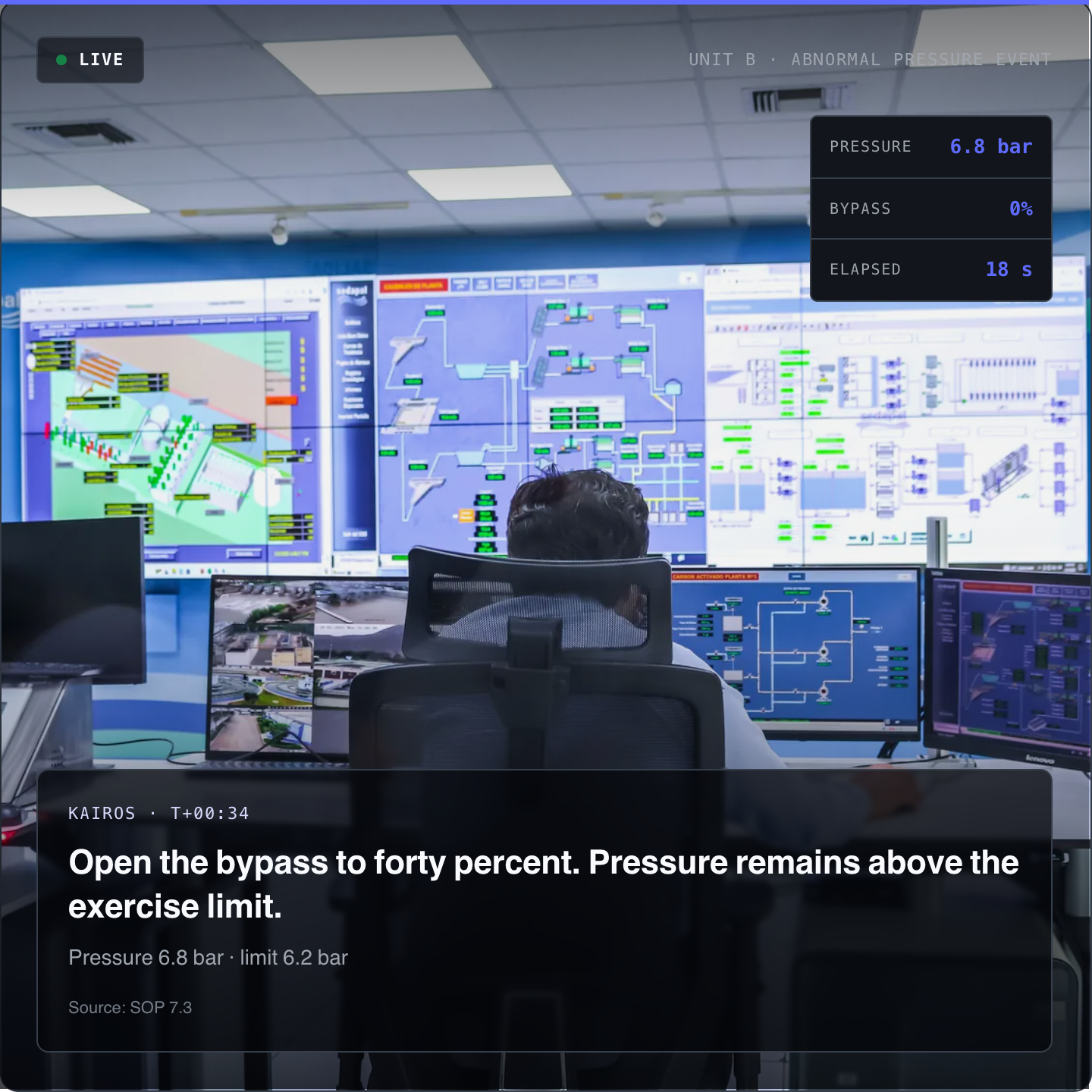
Kairos brings forward the right procedure while the event is unfolding, measures how the operator performs independently, and returns to the exact decision that needs improvement.
01 / Instruct
Surface the right procedure before the situation compounds.
Kairos watches process signals and brings the approved next step forward without replacing the site control system.
02 / Evaluate
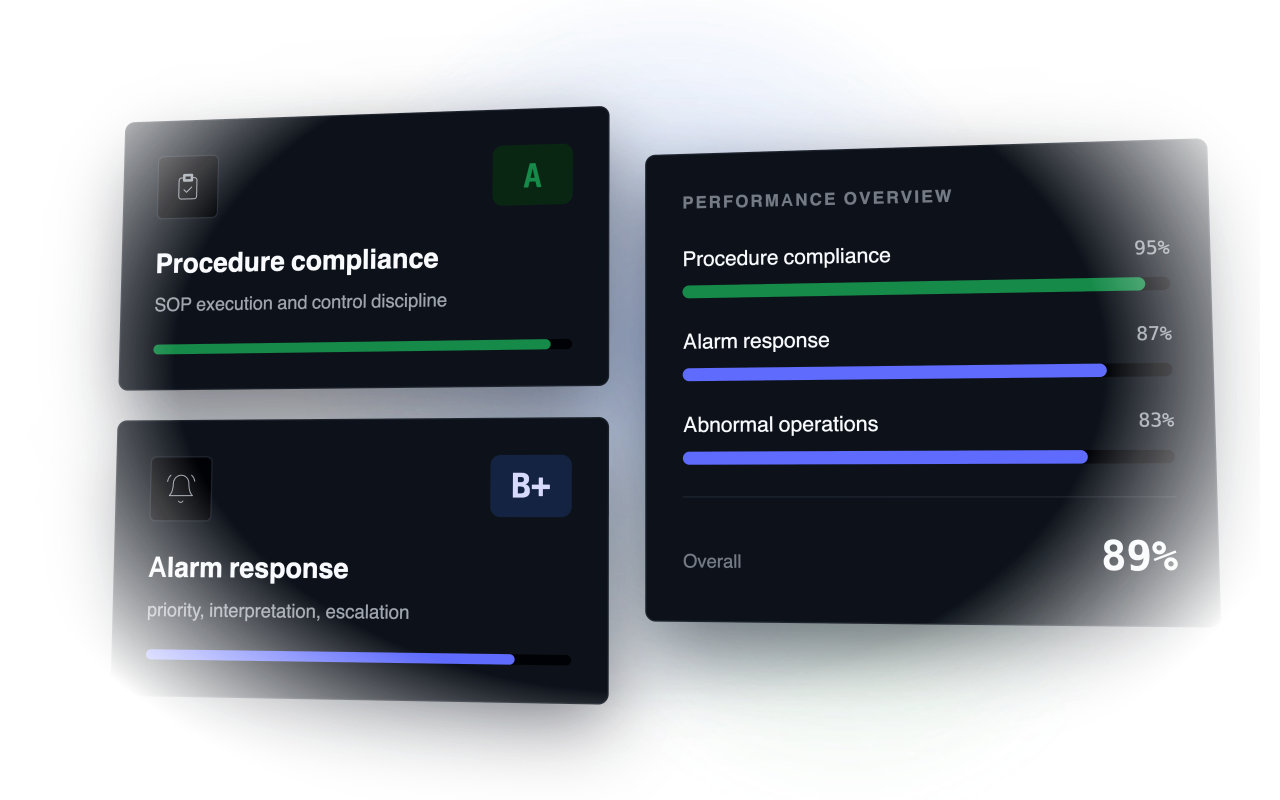
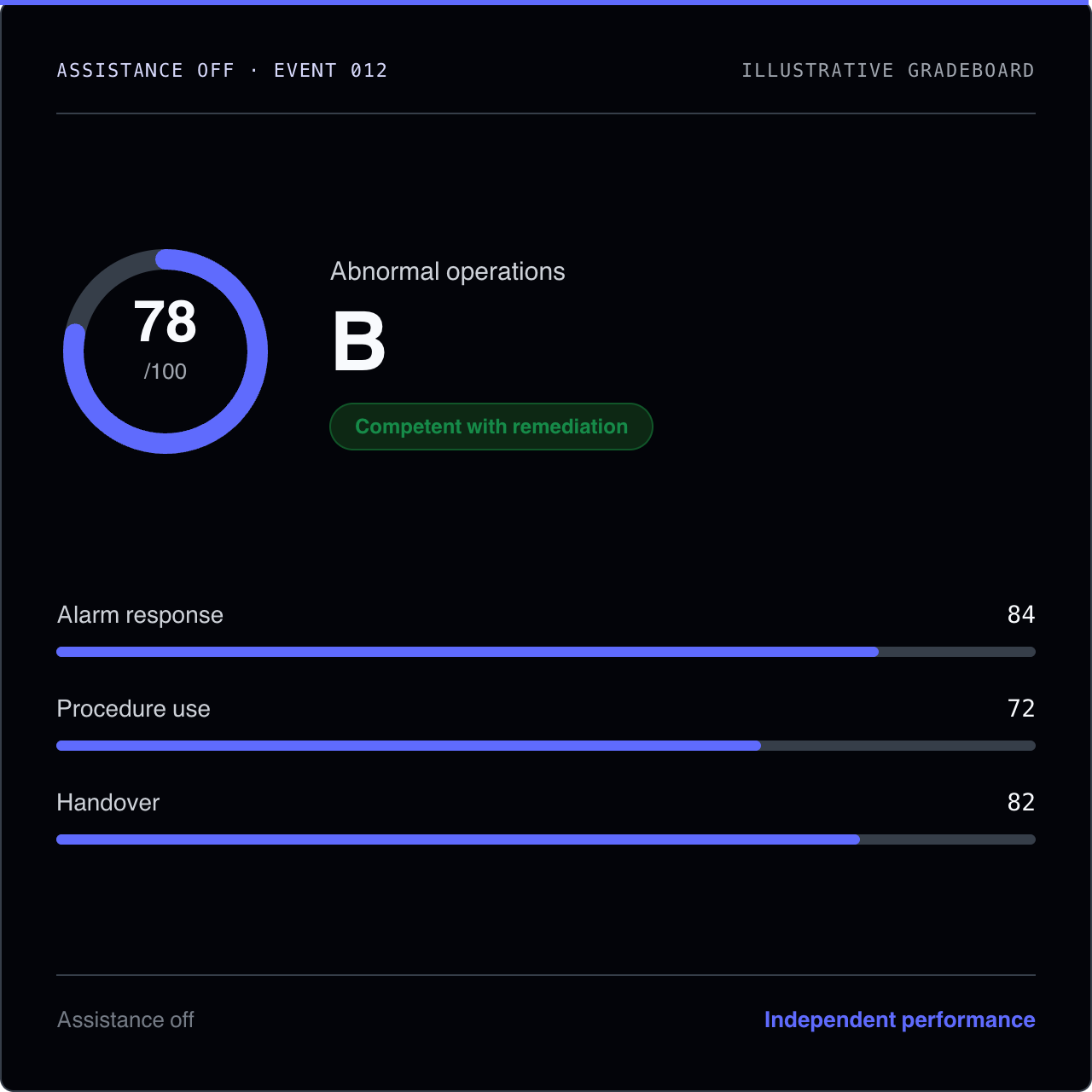
Measure the decisions behind the response.
Turn assistance off and evaluate alarm handling, procedure use, abnormal operations, and handover quality against the standards you define.03
03 / Debrief
Return to the decision that increased risk.
Kairos shows where the response diverged from the approved sequence and what should be handled differently next time.
BUILT FOR INDUSTRIAL TRAINING AND OPERATIONS
The capabilities that help expertise scale.
01
Capture judgment before it leaves
Let experienced operators define tolerances, escalation rules, and the practical judgment behind procedures in language they already use.
02
Ground instruction in approved procedures
Connect Kairos to SOPs, manuals, curriculum, and rubrics so instruction remains tied to the sources your organization trusts.
03
Deploy at the site
Run Kairos on-premise, hybrid, or disconnected where site and security requirements demand it.
04
Find patterns across shifts and sessions
Use performance history to distinguish isolated mistakes from recurring causes and focus future training accordingly.
GET STARTED
Bring us the task your experts struggle to scale.
Show us a task, abnormal event, or operator workflow where experienced judgment matters. We’ll show you how Kairos can turn that expertise into instruction, evaluation, and operational support.