

iRacing
Your guide to iRacing’s Bathurst 1000 Special Event
V8 Supercars, close walls, and 161 laps of Mount Panorama. Here’s what you need to know about iRacing’s Bathurst 1000, with practical pointers to help you get comfortable in the car and build confidence over the mountain.

What is the iRacing Bathurst 1000?
The Bathurst 1000 is one of Australia’s most famous races, bringing Supercars to Mount Panorama for a 1,000 km endurance event. iRacing’s version follows the same core challenge: the circuit, the category, and the distance, with teammates sharing the driving.
The 2026 iRacing event takes place from October 2 to 4, a week before the real-world race.
The key details are:
- Track: Mount Panorama Circuit
- Race distance: 161 laps, approximately 1,000 km
- Team size: 2 to 16 drivers
- License requirement: D 4.0 Road, as listed in the official briefing
- Splits by: iRating
- Grid size: 30 cars
- Warm-up: 30 minutes
- Qualifying: Eight minutes, two laps
- Weather: Dynamic
There are five sessions to choose from. All times below are GMT:
- Saturday, October 3 at 03:00: Australian servers
- Saturday, October 3 at 07:00: US servers
- Saturday, October 3 at 12:00: US servers
- Saturday, October 3 at 16:00: US servers
- Sunday, October 4 at 00:00: US servers
Before race day, make sure your team has practiced pit entry and driver changes. If you're still working on your overall pace, our guide on how to get faster in iRacing covers practical ways to improve your speed and consistency.
The cars
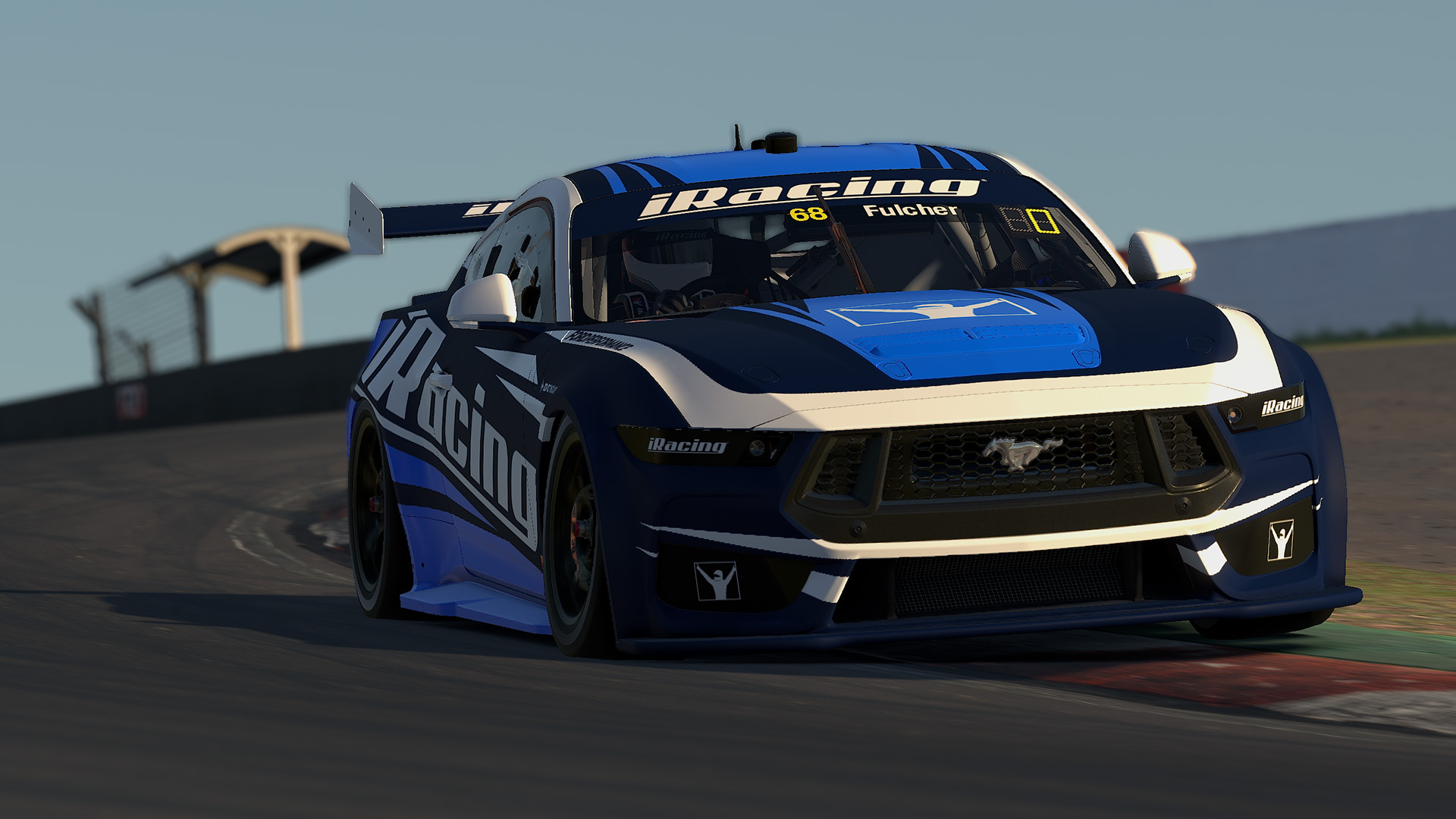
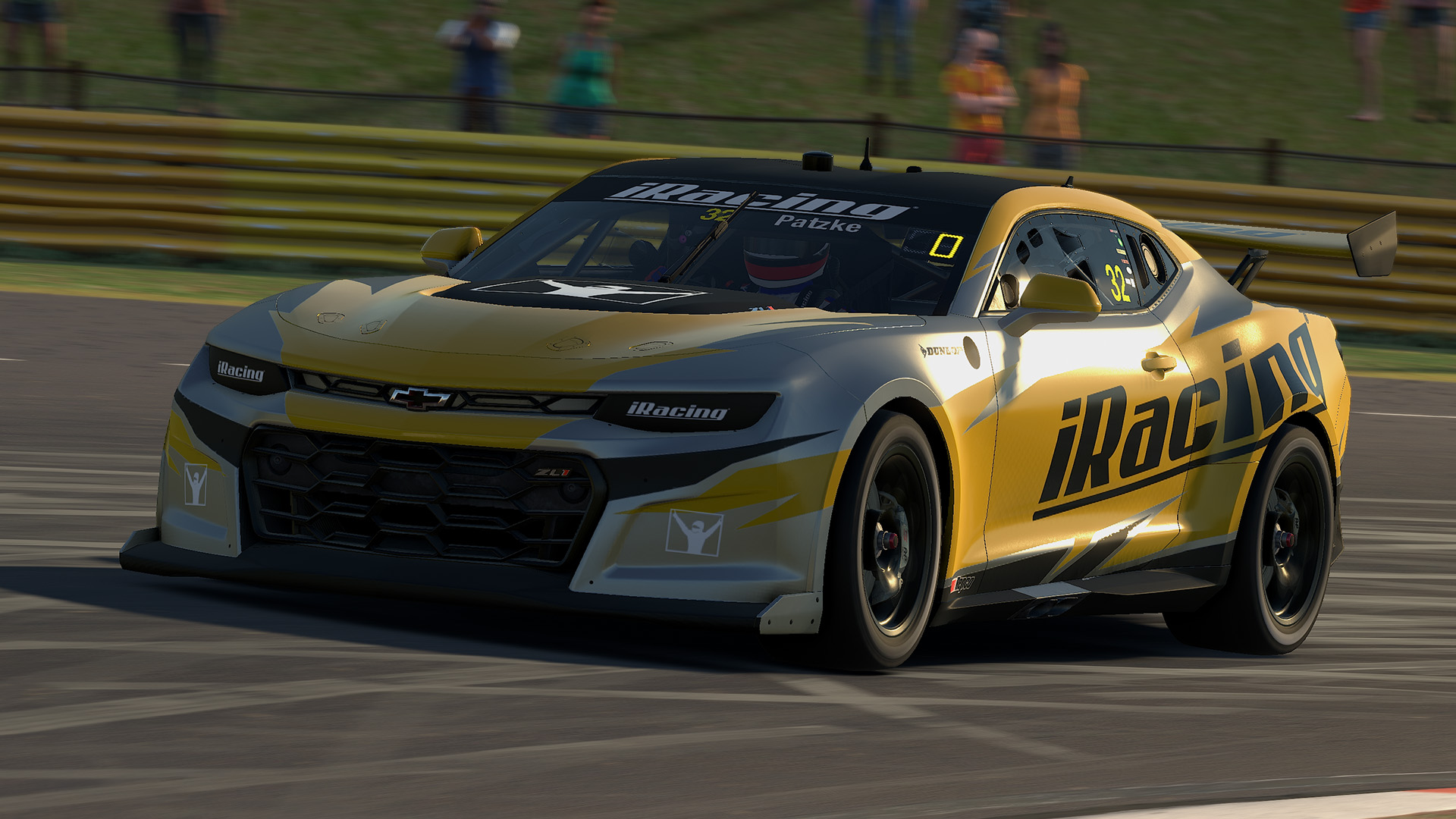
You have two cars to choose from: the Ford Mustang Gen 3 and Chevrolet Camaro Gen 3.
These V8 Supercars combine big power with very little downforce and no traction control.
Newer to iRacing and still deciding which cars to add to your account? See our guide to the best iRacing cars to buy first.
Getting the power down
With this in mind, the Supercars demand extra patience on corner exit. Feed in the power progressively as you unwind the steering.
Managing wheelspin will help you achieve clean, fast exits and look after the rear tires over a stint.
Managing tires
On cold tires, stay proactive. If you need to reduce speed, lift earlier and by a smaller amount rather than making a large, last-minute lift. That helps avoid an abrupt weight shift that can unsettle the rear.
If the tires begin overheating, ease your corner entries to limit further temperature buildup, and apply the throttle progressively on exit.
Managing downshifts
A small throttle blip on downshifts can help prevent rear-wheel hopping and keep the Supercar settled under braking.
The track
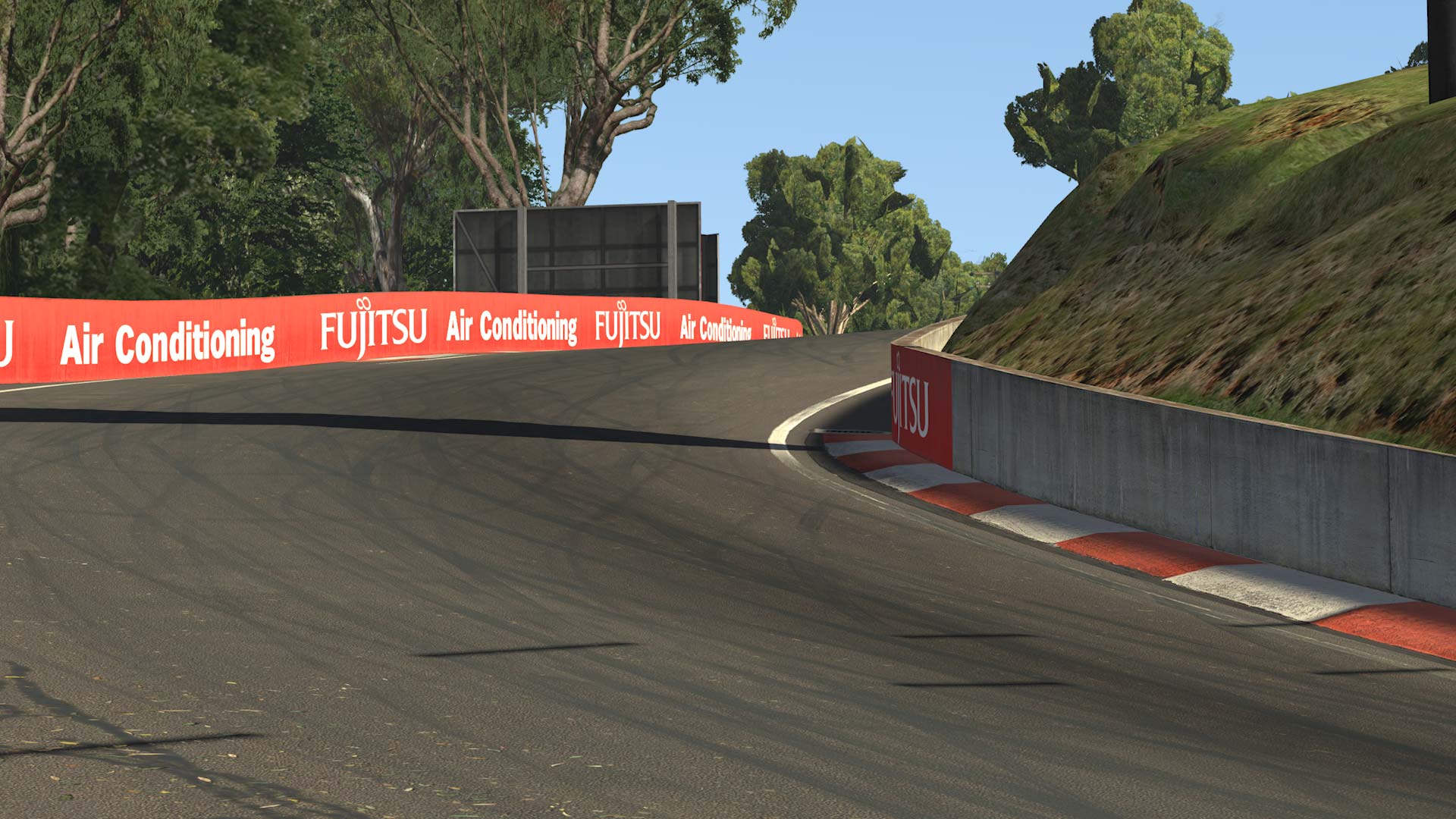
The mountain is one of the most notorious parts of the circuit. It’s lined with concrete walls on both sides, with no runoff to rescue a missed line. Being fast here demands precise car placement, often within centimeters of the walls.
Building confidence through this section is key to being consistent and fast. You need to be committed to your line and trust the car. Here’s what to focus on through Skyline, the Dipper, and Forrest’s Elbow.
Skyline and the Esses
At Skyline, turn in early to account for the road dropping away, bringing the car close to the inside wall.
Through the Esses that follow, stay two steps ahead of the car. Keep it straight where possible for braking, and prepare your braking and steering early so nothing feels rushed.
Anticipate less grip as the car unloads over a drop and more grip as it loads up in a compression.
The Dipper
The Dipper calls for an early, decisive turn-in as the road drops away and the car unloads. Aim to stay close to the wall without touching it.
You may need to turn earlier than feels natural to achieve this, almost as though you’re heading toward the inside wall, because the car can run wider than you expect.
The compression then provides more grip, allowing a stronger initial throttle application. Manage the throttle through the exit direction change, potentially using a slight partial lift as the compression eases.
Forrest’s Elbow
Forrest’s Elbow leads onto Conrod Straight, making a strong exit especially important.
As with the Dipper, brake and turn early. Think “easy in, tight through, hard out.” There’s plenty of grip on the initial throttle application.
Watch the outside wall on exit. Even a 0x can invalidate your qualifying lap, and a slight brush can leave you with damage.
Want to get up to speed at Bathurst faster?
Learn the combination faster and make your pace more consistent using trophi․ai’s coaching and training tools. Both the Ford Mustang Gen 3 and Chevrolet Camaro Gen 3 are supported at Bathurst, so you can find your braking points, understand what to work on, and build confidence.
You can also use iRacing telemetry to understand where you're losing time, comparing your braking, throttle, steering and racing line against faster laps.
Try trophi․ai free for 7 days.
FAQs
When is the iRacing Bathurst 1000 in 2026?
The 2026 iRacing Bathurst 1000 takes place from October 2 to 4, 2026, with five race sessions available across the event weekend.
How many laps is the iRacing Bathurst 1000?
The race is 161 laps, covering approximately 1,000 km around the Mount Panorama Circuit.
What cars can you drive in the iRacing Bathurst 1000?
Drivers can choose between the Ford Mustang Gen 3 and Chevrolet Camaro Gen 3. These V8 Supercars have plenty of power, limited downforce and no traction control, making throttle control especially important.
How many drivers do you need for the iRacing Bathurst 1000?
Teams can have 2 to 16 drivers, so you'll need at least two drivers to compete. Practicing driver changes and pit entry before the event can help your team prepare for race day.
What license do you need for the iRacing Bathurst 1000?
The event requires a D 4.0 Road license, according to the event details included in this guide.
How can I get faster at Bathurst in iRacing?
Focus on consistency before outright lap time. Through the mountain, precise car placement, early preparation and confidence in your racing line are especially important. In the Supercars, progressive throttle application can also help control wheelspin and protect the rear tires over a stint.
Can trophi.ai help me prepare for the iRacing Bathurst 1000?
Yes. trophi.ai supports both the Ford Mustang Gen 3 and Chevrolet Camaro Gen 3 at Bathurst. You can use its training and analysis tools to work on your braking points, identify areas for improvement and build consistency before the race.


