

iRacing
How to Take Fast Corners in Sim Racing
Fast corners are some of the most difficult to master in sim racing. A small change in brake pressure, steering input or entry speed can be the difference between finding a few tenths and spinning off into the barrier. The key to getting faster through high-speed corners is not simply to brake later or enter the corner faster. You need to keep the car balanced, avoid slowing down more than necessary and smoothly blend your braking and steering inputs as you approach the apex. Here’s how to recognize the mistakes being made in fast corners and, more importantly, how to fix them.

TLDR
To get faster through fast corners, focus on carrying speed while keeping the car balanced. That means braking less aggressively, releasing the brakes smoothly and gradually blending your braking and steering inputs.
The main things to remember are:
- Brake only as much as the corner requires.
- Release the brakes smoothly as you turn in.
- Carry more minimum speed without exceeding the available grip.
- Use smooth, progressive steering inputs.
- Treat linked corners as one complete sequence.
- Find the cause of lost lap time, not just where you lost it.
Why Are You Slow Through Fast Corners?
One of the most common mistakes we see in fast corners is overslowing the car. Drivers often try to hit the brakes as hard as possible, get all of the braking finished quickly and then turn into the corner.
This can work in a slow hairpin where a lot of speed needs to come off, but fast corners often require much less braking. If you brake harder than necessary, you reduce your minimum corner speed and carry that lost speed through the rest of the corner.
This is why braking later is not always faster. In some fast corners, braking less is more important than braking later.
Want to see exactly what this looks like on track? Watch the full breakdown:
Why Does Hard Braking Make You Slower in Fast Corners?
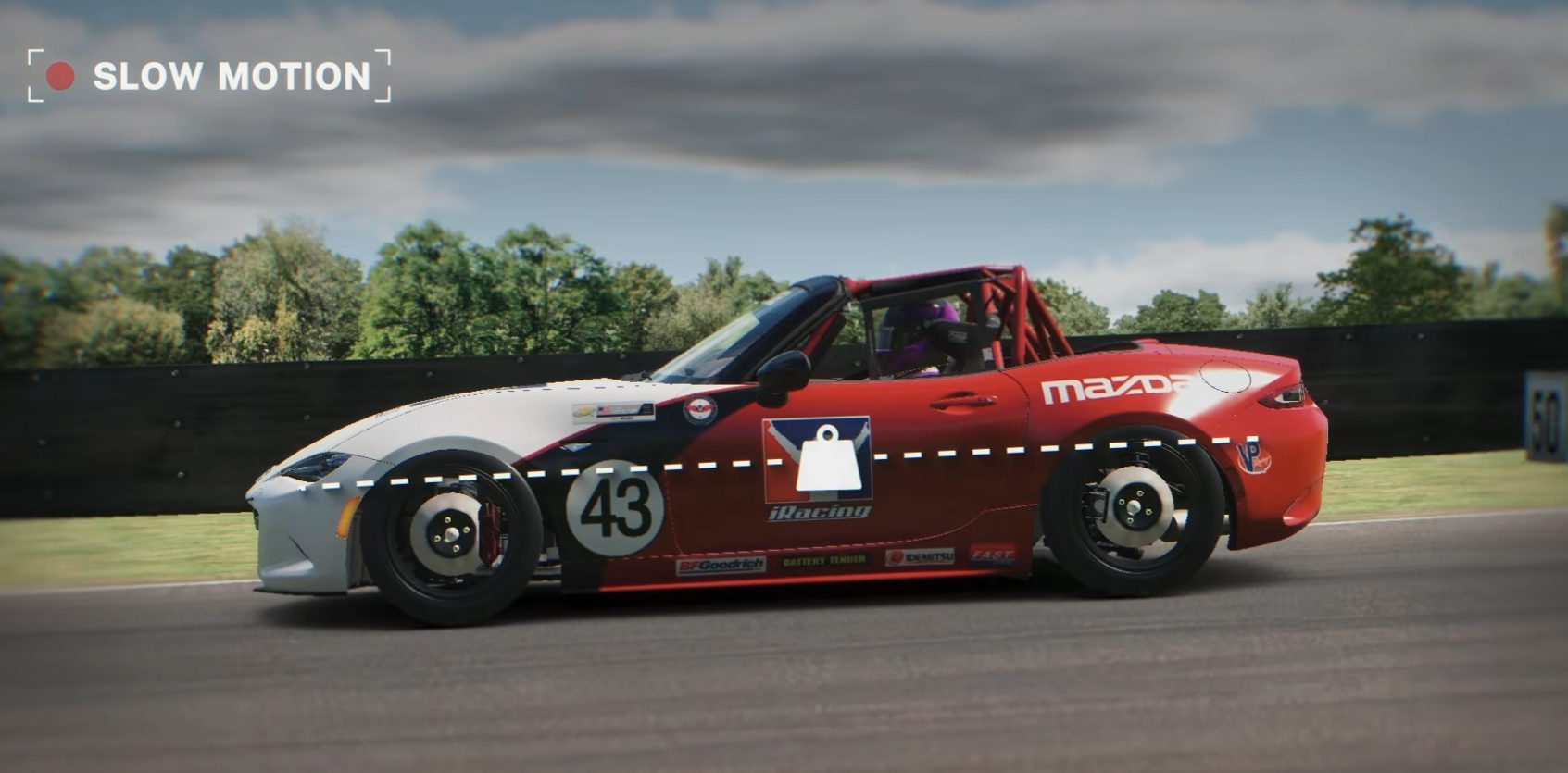
Aggressive braking can also make the car more difficult to control because of the way it affects load transfer. When you brake, load transfers towards the front of the car. This increases the load on the front tyres, but they are also using a significant amount of their available grip to slow the car down.
If you then release the brake pedal very quickly, the balance of the car changes just as quickly. Load begins to transfer rearwards and the front tyres are suddenly freed from some of their braking workload, giving them more available grip for turning. The result can be a sudden increase in rotation.
The rear of the car may begin to feel light, which can catch you by surprise and make the car feel unpredictable. Once that happens, it is natural to approach the corner more cautiously on the next lap and slow the car down even more.
You can quickly find yourself in a cycle where aggressive braking creates instability, the instability reduces your confidence and the lack of confidence causes you to overslow the car.
The solution is not necessarily to brake earlier. Instead, you need to make the transition from braking to turning smoother.
Read our guide on why smooth is fast, most of the time.
How Should You Brake for Fast Corners?
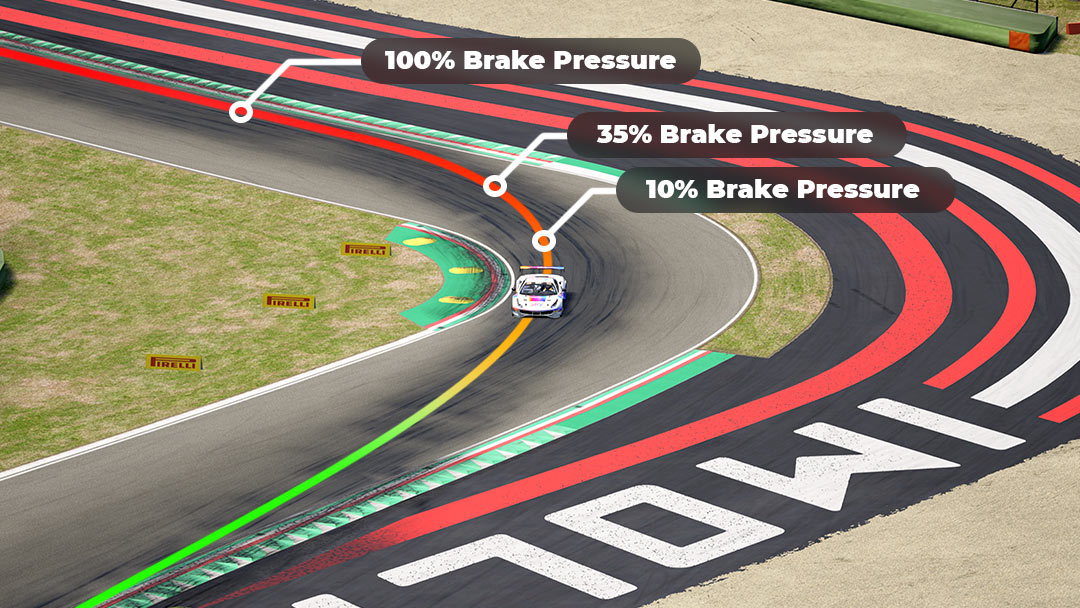
In many fast corners, using less peak brake pressure over a longer distance can help keep the car balanced while maintaining more speed. Imagine taking the amount of braking you normally use and spreading it over a longer period. You are still decelerating enough to make the corner, but you are no longer making such a sudden change to the balance of the car.
As you approach the corner, you can then gradually release the brake pressure while beginning to add steering. This allows the car to transition more smoothly from braking to cornering and can help you carry more speed through the middle of the corner.
A simple way to think about it is that the longer the corner, the longer your braking phase can be. If you have more distance over which to slow the car, you may not need to use as much brake pressure at the beginning.
There are obviously exceptions depending on the car, circuit and corner, but this is a useful starting point if you find yourself regularly overslowing fast corners.
If braking is an area where you struggle more generally, our F1 braking guide goes into more detail on brake pressure, braking points and how to release the brakes as you approach a corner.
Should You Trail Brake Through Fast Corners?
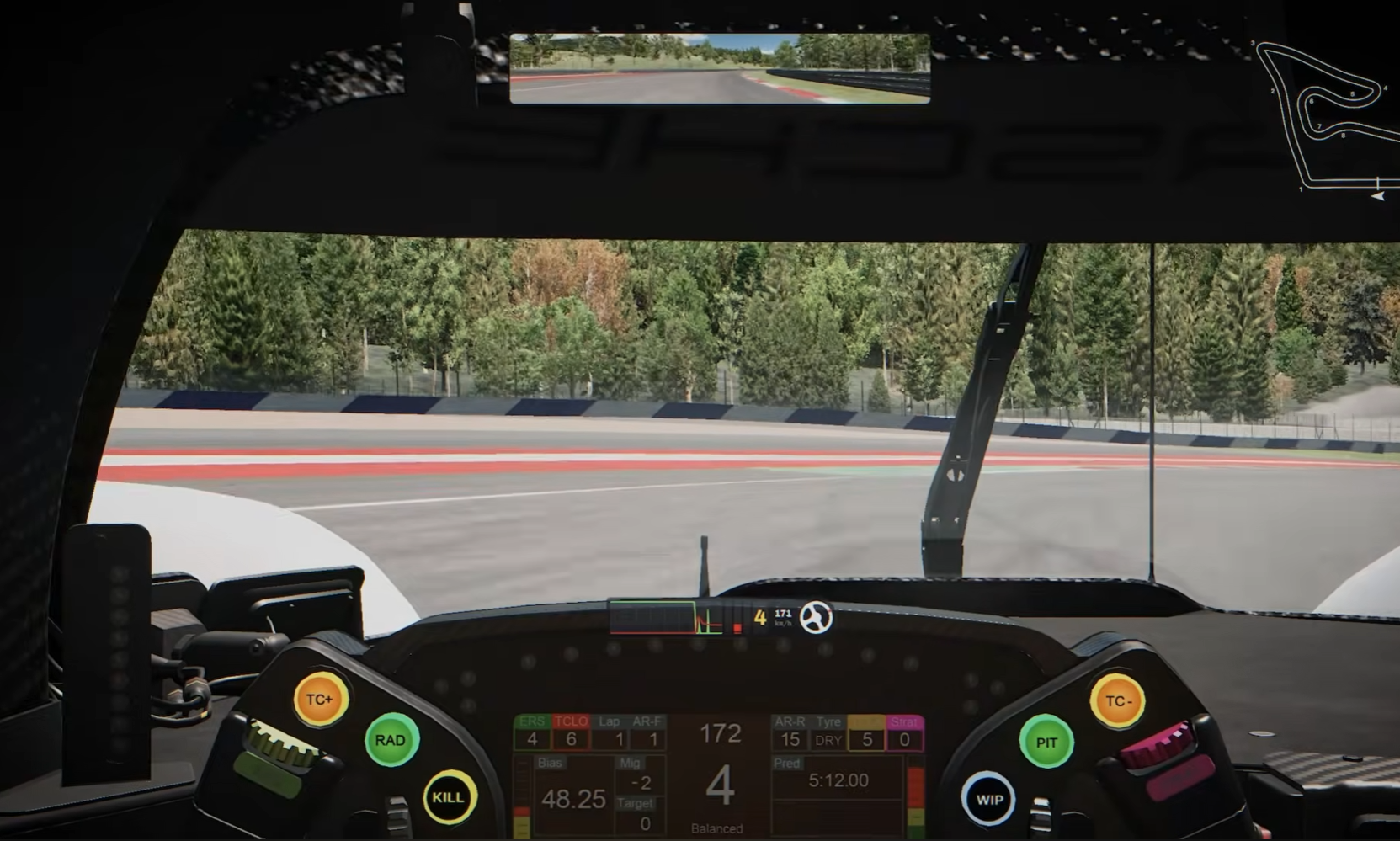
Some fast corners benefit from trail braking, but the goal is not to carry a large amount of brake pressure all the way to the apex. Instead, trail braking allows you to gradually reduce brake pressure as you begin to turn into the corner.
Many drivers approach a corner in three very distinct stages. They complete their braking in a straight line, release the brake pedal, turn into the corner and then begin accelerating.
Brake, then turn, then accelerate.
There is nothing inherently wrong with this approach, and completing most of your heavy braking in a straight line is usually the right thing to do.
However, keeping each phase completely separate can leave time on the table in faster corners.
Instead, you can begin to blend them together. As brake pressure decreases, steering input gradually increases. Once the car has rotated and you begin to unwind the steering, you can start feeding the throttle back in.
The exact amount of trail braking will depend on the car and the corner, but the important part is making each transition progressive rather than sudden.
Our guide to the racing line in sim racing explains this relationship in more detail, along with turn-in, apex and corner exit technique.
How Should You Turn Into a Fast Corner?
Turning into a fast corner too late can make the corner tighter than it needs to be. If you delay the turn-in, you effectively square off the corner. This means the car needs to complete more of its rotation over a shorter distance, which usually requires you to reduce your speed further.
A better approach in many long, fast corners is to begin turning earlier but more gradually. This does not mean suddenly throwing the car towards the apex. Instead, you should begin building steering input sooner and allow the car to follow a smoother arc through the corner.
This can reduce the amount of steering you need and help you maintain more speed through the middle of the corner.
How Can You Carry More Speed Through Fast Corners?
One of the easiest ways to build confidence in fast corners is to deliberately experiment with using less brake pressure. Head into a test or practice session and choose one fast corner that you regularly struggle with.
Use the same braking marker as normal, but try entering the braking zone with around 75% of your usual maximum brake pressure. Focus on keeping the car balanced and carrying the additional speed through the corner.
Once you are comfortable, try reducing the pressure further. You could move down to around 60%, then 50%, and continue experimenting until you find the lowest amount of braking you can use while still making the corner consistently.
The aim is not to immediately set your fastest possible lap. Instead, you are trying to understand how much braking the corner actually requires.
You may find that you have been slowing the car down significantly more than necessary.
Focused practice like this is one of the best ways to improve your driving. Our guide on how to get faster in iRacing also covers practice sessions, telemetry, Active Reset and other ways to make your time on track more productive.
How Do You Drive a Fast Corner Sequence?
Fast corner sequences require a slightly different approach. The Suzuka Esses and the Maggots-Becketts complex at Silverstone are two good examples. In these sections, being fastest through one individual corner does not necessarily mean you will be fastest through the whole sequence.
If you attack the first corner too aggressively, you can put the car in the wrong position for the next one. That may force you to add more steering or lift off the throttle, which then compromises the corner after that. One mistake creates a chain reaction. A useful way to approach these sections is to identify the most important corner, which is often the final corner leading onto a straight, and work backwards from there.
If you are slow at the end of the section, do not automatically assume the final corner is the problem. The mistake may have happened several corners earlier.
How Can You Use Telemetry to Find Lost Lap Time?
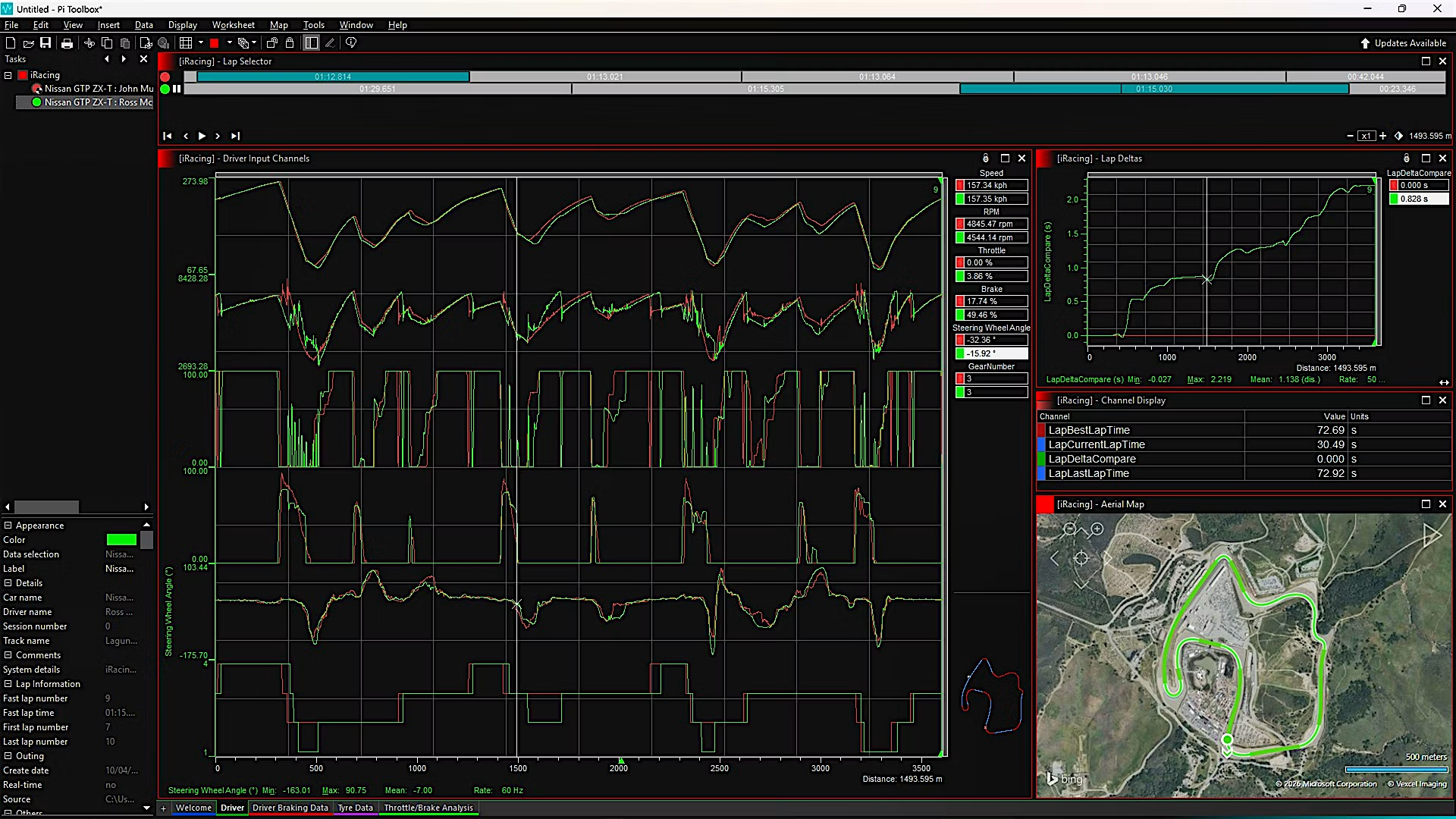
Telemetry is useful because it helps you find the cause of a time loss rather than simply showing where the delta changed. If you have a poor corner exit, work backwards.
Perhaps you could not get on the throttle early because the car had not finished rotating. Maybe the car had not rotated because you missed the apex. You may have missed the apex because you turned in late after overslowing the car under braking. What looked like a throttle problem was actually caused several seconds earlier.
Compare your brake pressure, steering, throttle and speed traces against a faster lap and look for the first meaningful difference.
Our iRacing telemetry guide covers how telemetry can be used to understand where your lap time is being lost.
How Can trophi.ai Help You Improve Fast Corners?
Understanding how a fast corner should be driven is useful, but the harder question is working out what you are personally doing differently from a faster driver. This is where trophi.ai can help.
Mansell AI analyses your driving and provides feedback while you are on track, helping you understand which parts of your driving need attention. You can then use your post-session analysis and telemetry to dig deeper into your braking, steering, throttle and speed.
Instead of simply seeing that you lost three tenths through a corner, you can start to understand why you lost them. Perhaps you used too much brake pressure and reduced your minimum speed. Maybe you turned in too late or released the brakes too quickly. Once you know what is causing the time loss, you have something specific to work on during your next session.
You can try trophi.ai for free and use Mansell AI to start identifying where you can find more lap time.
What Should You Remember About Driving Fast Corners?
The biggest mistake you can make in a fast corner is assuming that going faster requires you to be more aggressive. Often, the opposite is true. Using slightly less brake pressure, releasing the brakes more gradually and turning the car more smoothly can allow you to maintain more speed without exceeding the available grip.
The same principle applies to high-speed corner sequences. Rather than attacking every corner individually, think about how each one affects the next and prioritize putting the car in the right position for the most important parts of the section.
Most importantly, look for the cause of your lap-time loss rather than only the place where the time disappeared. Fast corners reward smoothness, confidence and good planning. Sometimes, finding more speed is simply a matter of disturbing the car less.
FAQs
Should You Brake in Fast Corners?
Yes. Many fast corners require some braking, but usually much less than a slow corner. The aim is to reduce your speed enough to make the corner without unnecessarily reducing your minimum speed.
Is Braking Later Always Faster?
No. Braking later can help if you can still maintain the correct entry speed and line, but braking too late often forces you to brake harder and overslow the car.
Should You Trail Brake Into Fast Corners?
Some fast corners benefit from light trail braking. Gradually releasing the brake as you begin to steer can help keep the car balanced and control rotation.
Why Do I Keep Spinning in Fast Corners?
Sudden changes in brake pressure or steering can upset the car's balance at high speed. Releasing the brake too quickly can create sudden rotation, while excessive steering can overwhelm the available tyre grip.
How Can I Get Better at Fast Corners?
Practice one corner at a time and experiment with reducing your brake pressure while keeping the same braking reference. Compare your minimum speed and telemetry against a faster lap to understand what needs to change.


